Native Seed Collecting
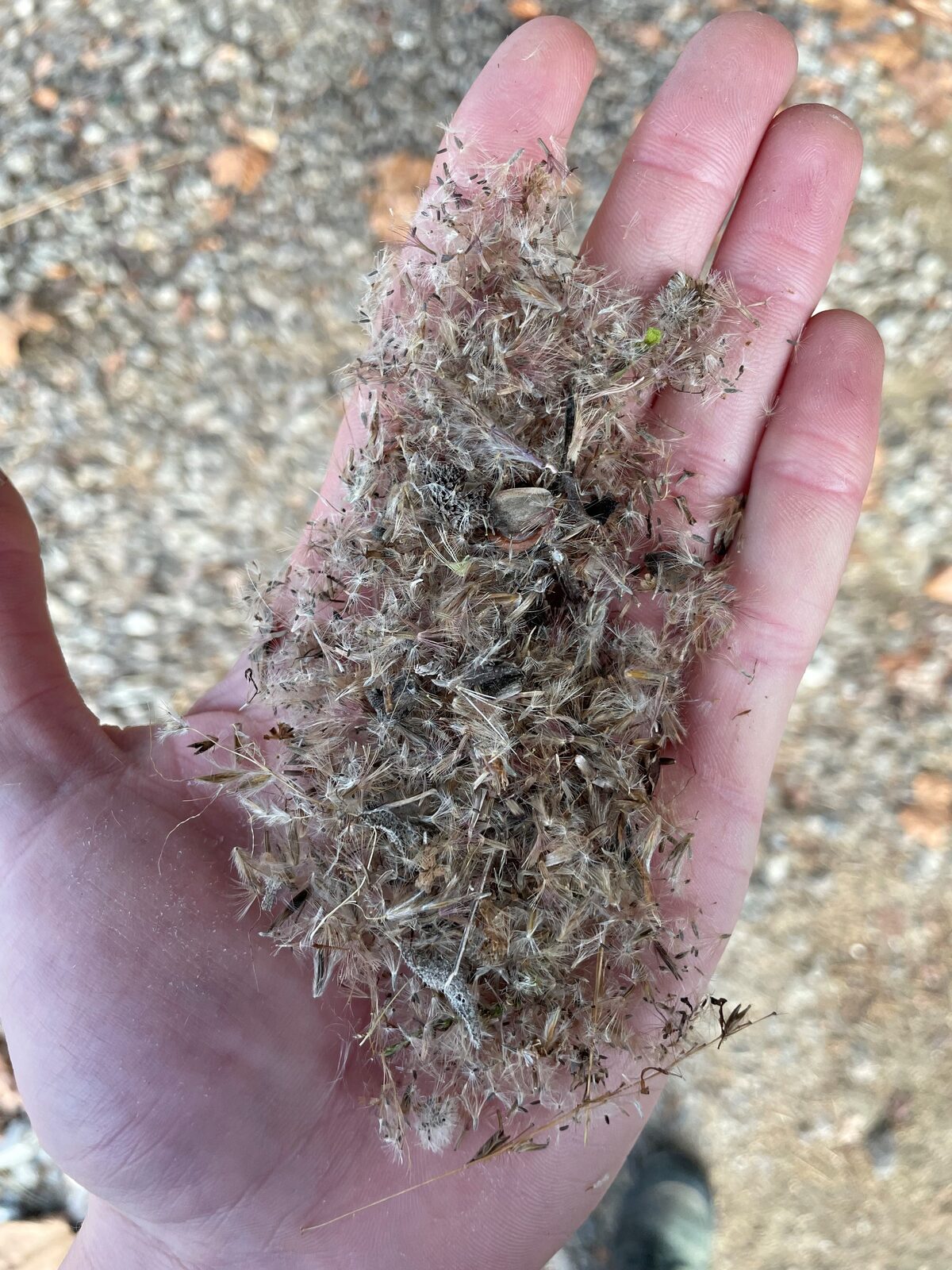
This fall, we have been collecting seeds from native plants around our parks. We’ll eventually use the seeds we’ve collected to plant and restore habitat in areas where we’ve been working hard to remove invasive plants. We have been gathering seeds by identifying good native plants, trimming and collecting the dried flower heads, then separating the seeds in to labeled bags of seed mix. So far, we’ve collected a good variety of seeds from our prairies at Clingman Park and the wetland at Shor Park. At Clingman Park, students in our Green Teens program helped us collect seeds from prairie plants like purple coneflower, New England aster, and common milkweed. It was great to have help from the students, and it was fun to teach them about native plants and habitat restoration while we worked. At Shor Park, natural resources staff have also been able to collect seeds in the wetland trail loop from plants such as rattlesnake master, swamp milkweed, and Virginia mountain mint. In addition to prairie and wetland species, we’ve collected a handful of seeds from American beech and persimmon trees. We can use these to start replacing woody invasive shrubs that we’ve removed in forested areas like Kelley Nature Preserve and Wilson Nature Preserve. This process of seed collection is allowing us to use some of the natural resources that we already have to restore habitats in other sections our parks. In addition to the volunteer help from the Green Teens, we’ve also had some group effort from all of our staff, and it’s been great to get everyone involved in the habitat restoration process! As we continue planting seeds, removing more invasives, and eventually collecting more seeds to use next year, we hope to continue involving volunteers. This will help us with our conservation goals and give us the chance to teach more people about the habitat management that the natural resources crew focuses on throughout the year.